Rubber Lining for Hydrochloric Acid Tanks: What to Specify
Specify rubber lining for hydrochloric acid tanks: service conditions, compound selection, installation scope and the information needed for comparable quotes.
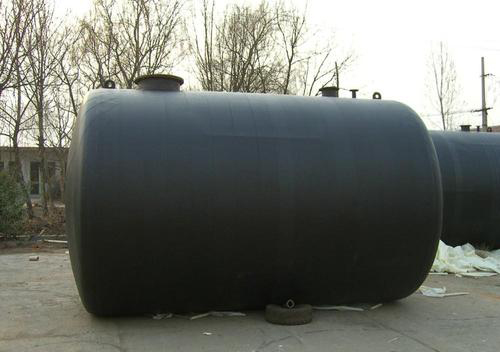
Choose rubber lining for hydrochloric acid tanks from the complete service conditions, then ask the supplier to confirm a named compound and its installation system. The description 'acid-resistant rubber' alone is not an adequate purchasing specification. Temperature limits, thickness and commissioning conditions need confirmation for the actual project.
Start with the operating conditions
Prepare the acid concentration or range, normal and maximum temperature, tank substrate, approximate lining area and drawings. Identify whether the lining will contact liquid, vapour or both. Mention cleaning chemicals, operating pressure or vacuum, and whether the project is a new tank or a repair. Mark unknown information for clarification rather than inventing a value.
Compare specific compounds, not only rubber names
Blair Rubber documents natural rubber formulations for hydrochloric acid tank service. A blanket statement that natural rubber is unsuitable for this application would therefore be misleading. Its recommendations also distinguish liquid and vapour exposure.
REMA TIP TOP describes a hydrochloric-acid tank lining based on chlorobutyl/PVC. This is a specific formulation: ordinary butyl rubber, chlorobutyl rubber and a chlorobutyl/PVC system must not be treated as interchangeable products. Ask each supplier for the proposed compound, current data sheet and written suitability confirmation. Neither example establishes that one material is best for every tank.
Define the supply and installation scope
State whether you need lining sheets only, sheets with compatible primers and adhesives, or a complete installation service. Ask the supplier to describe substrate preparation, bonding materials, seams, repairs and the selected curing approach. Pre-vulcanised describes the rubber's state before installation; confirm the completed system's commissioning requirements in the current application instructions.
Request a project-specific thickness recommendation
If the drawing specifies a thickness, include it. Otherwise ask the supplier to recommend and justify a thickness for the stated conditions. Compare the full proposal rather than accepting a universal thickness or assuming that a thicker sheet automatically solves an unsuitable material selection.
Make quotations comparable
Send the same operating brief and drawings to each supplier. Request the compound designation, recommended thickness, material quantity, material and installation prices separately, taxes, freight, lead time, inspection scope, exclusions and quotation validity. For repair work, ask what happens if the existing lining or substrate requires more preparation than anticipated.
Agree acceptance and handover documents
Ask for an inspection plan appropriate to the selected lining system, the treatment of seams and repairs, and the records to be supplied at handover. Inspection settings, including any spark-test voltage, must follow the chosen system and qualified procedure. This guide does not prescribe a universal test setting or guarantee service life.
Request a lining recommendation
Send the medium, concentration, temperatures, substrate, area, drawings and required service scope. If some information is unavailable, explain what is known so the remaining specification can be clarified before the quotation is finalised.
Sources consulted
Blair Rubber: https://blairrubber.com/hydrochloric-acid-tank-linings/
REMA TIP TOP product information: https://surfaceprotection.rema-tiptop.com/fileadmin/data/common/downloads/safety/pdb/PDB/020-220_TB_CHEMOLINE-70-CN_Revision_2.02_16.09.2024.pdf
REMA TIP TOP installation overview: https://surfaceprotection.rema-tiptop.com/rubber-lining/on-site-rubber-lining/
Move from a material name to a complete specification
Organize the conditions first, then compare the specific compound and complete system.
Service conditions
Medium, concentration, temperature and operation
Exact compound
Grade, current data and suitability evidence
Complete system
Substrate, bonding products and installation
Written agreement
Requirements, limits and outstanding questions
FAQ
Can natural rubber be used for hydrochloric acid tank lining?
Specific natural rubber formulations are documented for this service. Suitability still depends on the selected compound and actual operating conditions; ask for written supplier confirmation.
Is ordinary butyl rubber the same as chlorobutyl?
No. Specify the compound and polymer base explicitly. Do not use a chlorobutyl or chlorobutyl/PVC product data sheet to justify an ordinary butyl product.
What should I send to obtain a useful quotation?
Send the medium and concentration, temperature range, substrate, lining area, drawings, new-build or repair status, and whether you need materials or installation. Identify unknown details for clarification.
Continue your research
Published guides that address the next decisions in your lining project.
Phosphoric Acid Tank Rubber Lining: Specifying Corrosion and Abrasion Duty
Specify phosphoric acid tank rubber lining with actual liquid composition, solids, equipment duty, repair scope and written supplier suitability confirmation.
Read guideRubber Lining for Sulfuric Acid Tanks: What Suppliers Must Confirm
Prepare a sulfuric acid tank lining inquiry with actual service conditions, a named compound, complete installation scope and written supplier confirmation.
Read guideChemical Tank Rubber Relining: Defining the Strip-and-Reline Scope
Plan a tank rubber relining purchase with clear removal boundaries, substrate review, replacement-system approval, conditional pricing and handover records.
Read guide