Phosphoric Acid Tank Rubber Lining: Describe the Real Process
Specify phosphoric acid tank rubber lining with actual liquid composition, solids, equipment duty, repair scope and written supplier suitability confirmation.
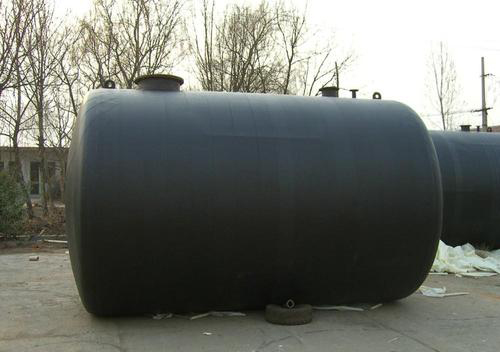
A phosphoric acid tank lining inquiry should describe the actual liquid and equipment duty before naming a rubber compound. Storage, mixing and process vessels should not receive one copied specification by default. Ask the supplier to confirm the complete rubber lining system against the conditions you provide.
Define the liquid and solids
Provide the acid concentration range, normal and maximum temperatures, known constituents, cleaning media and available process analyses. State whether the liquid is clarified or contains solids, and describe the known solids loading and handling conditions. Mark unavailable information for the process team to resolve.
Blair Rubber discusses corrosive and abrasive phosphoric acid equipment, including storage tanks. That is an application example, not proof that every phosphoric acid tank has the same abrasion duty. Do not assign a solids condition solely from the acid name.
Identify the equipment's function
Explain whether the vessel stores material, mixes it or forms part of a process operation. Send drawings showing the substrate, nozzles, internal equipment and areas included in the lining scope. State pressure or vacuum conditions and whether the lining encounters liquid, vapour or both.
For an existing tank, provide inspection findings and the operating history you can substantiate. Explain whether the intended service has changed. A replacement lining proposal should address the new duty rather than merely repeat the old material description.
Compare supplier recommendations
Request a named compound, polymer base, construction and current data sheet. Ask the supplier to identify the conditions supporting its recommendation and any assumptions that remain open. Obtain written confirmation covering the proposed system.
Compare material-only and installed offers separately. Where a supplier proposes different materials for different areas, ask for a drawing and a clear explanation of the interfaces. Review proposed substitutes through the same project approval process.
Define the work and acceptance
Clarify preparation, existing lining removal, substrate repair, bonding materials, seams and curing responsibilities. Ask what information is needed before the final application plan can be issued.
Agree inspection records, repair approval and commissioning requirements. Use the selected system's current instructions for test settings and readiness for service. A generic brochure does not replace the project-specific proposal or establish guaranteed operating life.
Include these purchasing details
- Liquid analysis, concentration and temperature envelope.
- Known solids and storage or process function.
- Drawings, exposure areas and existing-condition evidence.
- Proposed compound and complete material/application scope.
- Inspection, change approval and handover responsibilities.
Avoid the frequent assumptions
Do not treat “phosphoric acid” as a complete chemical specification. Do not assume all tanks need the same abrasion protection or choose rubber by hardness alone. Separate verified operating information from supplier assumptions before approving the order.
Send the process brief when requesting advice on Rubber Lining.
Source
Move from a material name to a complete specification
Organize the conditions first, then compare the specific compound and complete system.
Service conditions
Medium, concentration, temperature and operation
Exact compound
Grade, current data and suitability evidence
Complete system
Substrate, bonding products and installation
Written agreement
Requirements, limits and outstanding questions
FAQ
Do all phosphoric acid tanks have the same lining duty?
No common duty should be assumed. Supply the actual liquid composition, solids information, operating conditions and equipment function for review.
Should a storage tank and a mixing vessel use the same compound?
That requires supplier confirmation against each duty. A common acid name does not establish identical mechanical or chemical conditions.
What information helps with a relining proposal?
Provide the current duty, available inspection findings, drawings, known changes in service and the intended removal, repair and application scope.
Continue your research
Published guides that address the next decisions in your lining project.
Rubber Lining for Sulfuric Acid Tanks: What Suppliers Must Confirm
Prepare a sulfuric acid tank lining inquiry with actual service conditions, a named compound, complete installation scope and written supplier confirmation.
Read guideChemical Tank Rubber Relining: Defining the Strip-and-Reline Scope
Plan a tank rubber relining purchase with clear removal boundaries, substrate review, replacement-system approval, conditional pricing and handover records.
Read guideRubber Lining for Chemical Tanks: Build a Useful RFQ
Prepare a chemical tank rubber lining enquiry with service conditions, drawings, supply scope and acceptance requirements so supplier offers can be compared.
Read guide