Chemical Tank Rubber Relining: Defining the Strip-and-Reline Scope
Plan a tank rubber relining purchase with clear removal boundaries, substrate review, replacement-system approval, conditional pricing and handover records.
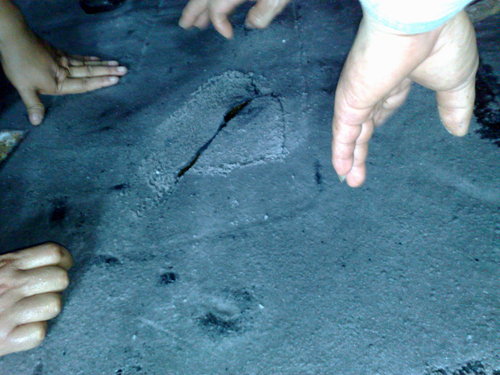
Buy tank rubber relining as a sequence of agreed decisions: remove the existing lining, review the exposed substrate, approve the replacement package and accept the completed work. A quotation for new rubber alone leaves important responsibilities unresolved. The buyer should make uncertainty visible before awarding a strip-and-reline contract.
Define what removal includes
Start with the asset identity and the boundary of work. Does the quote cover the tank shell, bottom, roof, nozzles and connected parts, or only specified areas? Supply available drawings, previous lining records and photographs, while identifying information that remains unverified.
- Identify who makes the equipment available under plant procedures.
- Define whether removal, collection and disposal are included.
- Record which connected components are outside the contract.
Abtrex describes an on-site strip-and-reline project involving reactor tanks. That supplier example is not a quotation basis for your equipment.
Review the exposed substrate before replacement
The condition beneath the old lining may remain uncertain until removal. Agree a review point with photographs, recorded observations and a written decision before replacement work proceeds. Describe who reviews the findings and who authorises any revised scope.
Keep structural repair decisions with the asset owner's responsible engineering process. Do not let a lining quotation silently become approval to repair the tank structure. Request separate descriptions and commercial treatment for any work identified at this stage.
Approve the replacement package as a whole
The replacement purchase should identify the proposed rubber lining system, supplier documentation, bonding materials and application responsibilities. Ask the bidder to explain how the proposal relates to the documented service and equipment condition; an old material name alone is insufficient.
If considering an alternative, compare the proposed package and supporting evidence against the approved requirements. Use the rubber lining product overview to prepare questions, then request written confirmation for the actual project. A product page does not approve an installation.
Put uncertainty into the commercial agreement
Separate firm work from provisional quantities or conditional repair allowances. State how additional work will be described, priced and approved, and which records will support the decision.
- Agree who can authorise a variation.
- Define how a changed scope affects the programme.
- Request an updated offer before committing to additional work.
A provisional allowance is not evidence that damage exists. Conversely, an attractive fixed headline price may exclude investigation and newly discovered work. Read both qualifications and exclusions.
Avoid a removal-only quote and close the handover
A common mistake is comparing contractors only on strip-out price, then discovering that the replacement package, inspection records or disposal arrangements differ. Compare the complete agreed outcome and the conditions for acceptance.
The handover should connect the equipment identity, removed-system record, approved changes, replacement materials and completed inspection documents. Record unresolved items and the party responsible for closing them. Distinguish contractor completion from the owner's decision to return equipment to service.
References: Abtrex chemical-industry examples and Blair field-installation guidance.
Move from a material name to a complete specification
Organize the conditions first, then compare the specific compound and complete system.
Service conditions
Medium, concentration, temperature and operation
Exact compound
Grade, current data and suitability evidence
Complete system
Substrate, bonding products and installation
Written agreement
Requirements, limits and outstanding questions
FAQ
Can the substrate condition be priced with certainty before removal?
Not always. State the information available, define a review after removal and agree how newly identified work will be quoted and approved.
Does rubber relining automatically include structural tank repair?
No. Identify structural work separately and route repair decisions through the asset owner's responsible engineering process.
Can the old material name alone define the replacement?
No. The proposed replacement package and its documentation should be assessed against the recorded service, equipment condition and approved project requirements.
Continue your research
Published guides that address the next decisions in your lining project.
Pre-vulcanized Butyl Rubber Lining: Installation First, Payment After Owner Acceptance
Discuss installation first and payment after satisfactory owner acceptance for pre-vulcanized butyl rubber lining, with scope and terms agreed in writing.
Read guide
Defining Rubber Lining Material and Installation Scope
Define whether your rubber lining enquiry covers materials, compatible accessories or installation, and agree the responsibilities before placing an order.
Read guide
Rubber Pipe Lining Cost: Why a Price per Metre Is Not Enough
Compare rubber pipe lining quotations by diameter, spool schedule, fittings and supply scope. Separate lining-only work from complete pipe supply and installation.
Read guide