What information does a rubber lining supplier need to quote?
Prepare a rubber lining RFQ with chemical conditions, equipment drawings, estimated area and service scope. Compare supplier quotations on the same basis.
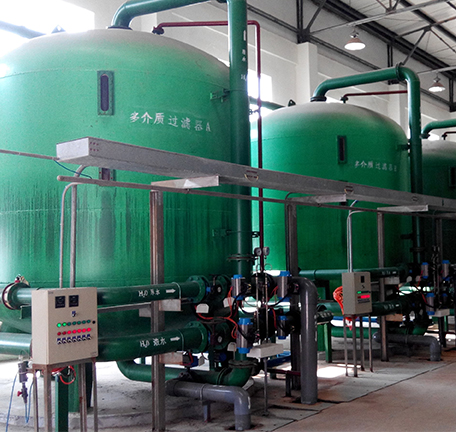
For a useful rubber lining quotation, send the chemical service, operating conditions, equipment drawings or photos, estimated lining area and the scope you want supplied. Mark unknown details as pending confirmation. A price is easier to compare when every supplier receives the same information.
Describe the chemical service
State each medium, its concentration when known, and whether the composition changes. Include normal operation, temperature peaks and cleaning conditions. Identify pressure, vacuum or abrasive solids when relevant. Material selection requires a technical assessment: a rubber name alone is not a compatibility guarantee.
Show the equipment and work area
Explain whether this is new equipment or replacement of an existing lining, and identify the substrate. Send drawings showing the vessel, pipework, nozzles and access points when available. Photos can show the overall equipment and areas needing attention. Distinguish an estimated area from a measured net lining area, and ask the supplier to confirm the measurement basis.
Define the supply and installation boundary
Specify materials only, materials with adhesive and primer, or a package including installation. For site work, identify the location, access conditions and available shutdown window. Agree who handles old-lining removal, surface preparation, scaffolding, utilities and inspection. These are proposed RFQ scope items, not a claim that every supplier includes them.
Ask for an itemised quotation
Request separate material, associated consumables, installation and freight amounts where applicable. Ask about tax, exclusions, estimated lead time, quotation validity, inspection documents and proposed warranty terms. Compare the complete stated scope rather than the lowest headline unit price. An uncertain drawing or operating condition should appear as an explicit qualification.
Copy this RFQ checklist
- Equipment and application:
- Medium and concentration:
- Normal, peak and cleaning temperatures:
- Pressure, vacuum and abrasion conditions:
- Substrate and existing lining condition:
- Drawings, photographs and estimated lining area:
- Required material and thickness, or request for recommendation:
- Materials only, supporting materials, or installation:
- Site location, access and target schedule:
- Required inspection and quotation exclusions:
When details are still missing
Send the available information and ask for a provisional scope with a list of assumptions. Final material selection, thickness and price should follow confirmation of the actual conditions. The illustration is a company archive photograph, not evidence of the specific project described in your enquiry.
Technical context: Blair Rubber's material selection guidance identifies chemical service, concentration and operating conditions as selection factors. The RFQ checklist above is an original purchasing aid, not a material specification.
Move from a material name to a complete specification
Organize the conditions first, then compare the specific compound and complete system.
Service conditions
Medium, concentration, temperature and operation
Exact compound
Grade, current data and suitability evidence
Complete system
Substrate, bonding products and installation
Written agreement
Requirements, limits and outstanding questions
FAQ
Can I request a quotation without drawings?
Yes. Send photographs, available dimensions and an estimated area, clearly identifying what remains unverified. Ask what is needed for a firm quotation.
Should I select the rubber before asking for a quote?
You can request a recommendation. Provide the chemical and operating conditions so the supplier can explain its proposed material and limitations.
Why can quotations for the same area differ?
Suppliers may assume different materials, preparation, installation, inspection or transport scope. Compare itemised inclusions and exclusions.
Continue your research
Published guides that address the next decisions in your lining project.
Ordering Cut EPDM Sheet Parts: A Drawing Handover Checklist
Request cut EPDM parts with a clear drawing revision, finished dimensions and delivery list. Avoid confusing roll supply, rough blanks and finished components.
Read guide
Choosing an NBR Rubber Sheet Supplier: Grade, Samples and Batch Checks
Shortlist an NBR rubber sheet supplier by checking the quoted compound, actual fluid conditions, representative samples and batch documents before purchase.
Read guidePreparing Rubber Lining Drawings for a Quotation
Show lining boundaries, equipment details, access and drawing revisions clearly so a rubber lining supplier can prepare a more useful quotation.
Read guide