What should you check before choosing an NBR rubber sheet supplier?
Shortlist an NBR rubber sheet supplier by checking the quoted compound, actual fluid conditions, representative samples and batch documents before purchase.
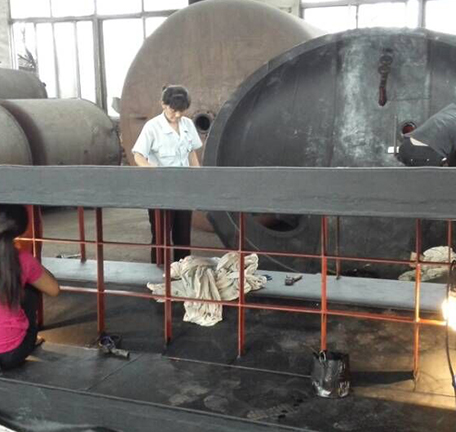
Choose an NBR rubber sheet supplier by confirming the exact offered material, its suitability for your actual fluid and operating conditions, and how the approved sample will be matched to the delivered batch. A low unit price or the label oil-resistant is not enough to define an acceptable order.
Ask what material the offer actually covers
Request the supplier's grade reference and current technical data sheet. Ask whether the offer is for an NBR compound, a blend or another specified construction. Manufacturer literature lists different nitrile sheet formulations and constructions; those descriptions should not be treated as interchangeable purchasing grades. A supplier's product range is not evidence that World Rubber supplies every listed option.
State the intended function, such as a cut gasket, protective sheet or another agreed use. Ask the supplier to explain the proposed grade against that function rather than quote against the material name alone.
Describe the actual fluid contact
Provide the fluid name, formulation information available to you, contact duration and whether exposure is continuous or intermittent. Include normal and peak temperature, cleaning fluids and any pressure or movement relevant to the component. Ask for a written suitability assessment and its limitations. Do not extend a result for one oil to every fuel, additive or solvent mixture.
Where information is incomplete, identify it as pending. A sample alone cannot establish suitability for all service conditions; critical applications need an appropriate technical review and agreed testing.
Make the sample representative of the order
When requesting a sample, ask for its grade identification, thickness, supply state and batch reference if available. Record which version was evaluated and the acceptance conditions agreed with the supplier. Clarify whether the sample comes from stock, a trial batch or the proposed production material.
Before ordering, confirm what will happen if the production formulation or material source changes. A named sample and a documented specification provide a clearer comparison than an unlabelled piece of black rubber.
Agree delivery and incoming checks
Specify dimensions, thickness tolerance, hardness requirement where relevant, surface finish and whether reinforcement is permitted. Agree which inspection documents and batch labels accompany delivery. Link any required test result to the offered grade and relevant batch rather than assume a general certificate covers the order.
At receipt, check the labels, quantity, dimensions and documentation against the purchase order. Set out how discrepancies will be reported and resolved. Do not invent an acceptance limit that neither party has agreed.
Compare the complete supplier offer
Request the quoted supply form, minimum quantity, cutting and packaging scope, transport charges, tax treatment, expected delivery and quotation validity. Confirm sample charges and preparation time rather than assume samples are free. Keep material selection and commercial comparison separate: an unsuitable low-cost sheet is not an equivalent offer.
Send a concise supplier enquiry
Send your NBR sheet requirements with the application, actual fluid, operating conditions, dimensions, quantity and any existing sample identification. Material suitability, availability, inspection scope and the final offer require confirmation. The archive workshop photograph illustrates the company website's industrial context; it does not identify a particular NBR grade or certify a production batch.
Technical context: White Cross Rubber Products — nitrile sheeting describes formulation and supply options. The purchasing workflow above is original guidance, not a claim about another manufacturer's quality system.
Move from a material name to a complete specification
Organize the conditions first, then compare the specific compound and complete system.
Service conditions
Medium, concentration, temperature and operation
Exact compound
Grade, current data and suitability evidence
Complete system
Substrate, bonding products and installation
Written agreement
Requirements, limits and outstanding questions
FAQ
Is oil-resistant rubber automatically the right NBR grade?
No. Ask for the offered compound identification and an assessment for the actual fluid, temperature and exposure. A broad label is not a complete specification.
What should accompany an NBR sheet sample?
Ask for grade identification, thickness, supply state and available batch information. Record the evaluated sample and agreed acceptance conditions.
Does a general material certificate prove every delivered batch is suitable?
Not by itself. Confirm what the document covers, whether it relates to the offered grade and batch, and which checks were agreed for the order.
Continue your research
Published guides that address the next decisions in your lining project.
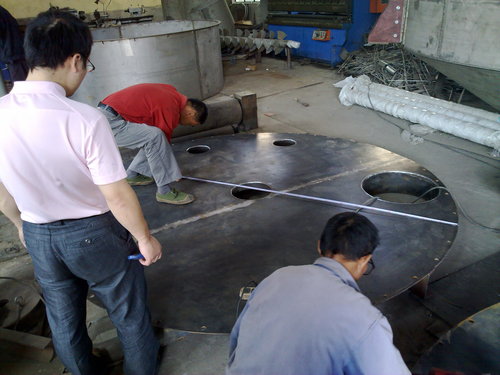
Rubber Lining Sample Approval Before Ordering
Agree what a rubber lining sample is intended to confirm, keep its identity traceable and document approval limits before authorising material supply.
Read guideOrdering Cut EPDM Sheet Parts: A Drawing Handover Checklist
Request cut EPDM parts with a clear drawing revision, finished dimensions and delivery list. Avoid confusing roll supply, rough blanks and finished components.
Read guidePreparing Rubber Lining Drawings for a Quotation
Show lining boundaries, equipment details, access and drawing revisions clearly so a rubber lining supplier can prepare a more useful quotation.
Read guide