Rubber Lining for Chemical Tanks: Build a Useful RFQ
Prepare a chemical tank rubber lining enquiry with service conditions, drawings, supply scope and acceptance requirements so supplier offers can be compared.
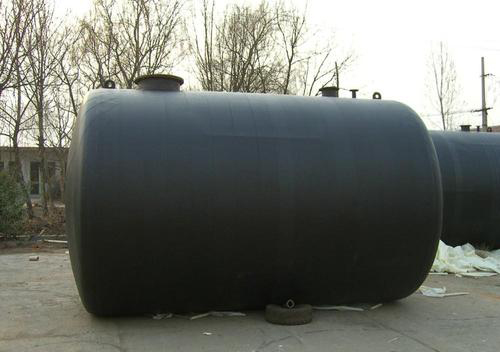
A useful enquiry for rubber lining starts with the tank's duty, rather than the phrase “chemical-resistant rubber.” A storage tank, mixing vessel and tank that alternates between products may need different assessments. Ask the supplier to confirm a named lining system for the complete operating brief.
Describe every service condition
List the liquids, their concentration ranges, cleaning agents and any additives. Identify liquid contact, vapour exposure and areas that may run dry. Include normal operation, temperature changes, pressure or vacuum, and solids that could cause abrasion. If a value is unknown, label it for clarification instead of filling the gap with an assumption.
Attach drawings showing the substrate, welds, nozzles, internal parts and access openings. For an existing tank, add the current lining identity if known, inspection findings and photographs of the affected areas.
Define what the quotation covers
Say whether you need rubber sheets, a complete material package, or supply and installation. Request the compound designation, proposed thickness, compatible primer and adhesive system, installation approach and commissioning requirements.
For site work, agree who provides access, scaffolding, environmental control, utilities and waste handling. Describe the available shutdown window. Ask suppliers to identify exclusions and conditions that could change the work after the tank is opened.
Compare complete proposals
Send the same brief to each supplier and compare their technical assumptions before comparing totals. Separate material, preparation, installation and inspection scope in the quotation. Ask for written suitability confirmation and a project-specific inspection and handover plan.
The final purchase specification should record the agreed service conditions and responsibilities. A general resistance chart can support the discussion, but it does not replace confirmation of the proposed system for this tank.
Connect drawings, materials and installation scope
A clear project description helps you understand different suppliers’ proposals.
Service description
Medium, temperature and equipment use
Drawings & photos
Dimensions, lining boundaries and site conditions
Supply & installation
Materials, related products and responsibilities
Review the proposal
Timing, inspection and handover requirements
FAQ
Is the chemical name enough to request a lining?
No. Include concentration, temperatures, liquid and vapour exposure, cleaning agents and mechanical conditions. Mark missing information so the supplier can clarify it.
Should sheet supply and installation be quoted together?
Either approach can be requested. Define the scope clearly and identify who is responsible for compatible bonding materials, installation, inspection and commissioning.
Continue your research
Published guides that address the next decisions in your lining project.
Rubber Lining for Sulfuric Acid Tanks: What Suppliers Must Confirm
Prepare a sulfuric acid tank lining inquiry with actual service conditions, a named compound, complete installation scope and written supplier confirmation.
Read guide
Chemical Tank Rubber Relining: Defining the Strip-and-Reline Scope
Plan a tank rubber relining purchase with clear removal boundaries, substrate review, replacement-system approval, conditional pricing and handover records.
Read guide
Ordering Cut EPDM Sheet Parts: A Drawing Handover Checklist
Request cut EPDM parts with a clear drawing revision, finished dimensions and delivery list. Avoid confusing roll supply, rough blanks and finished components.
Read guide