Rubber-Lined Valve Suppliers: New Valve or Relining Enquiry?
Looking for a rubber-lined valve supplier? Define whether you need a complete valve, a replacement liner or assessment of an existing valve before requesting quotes.
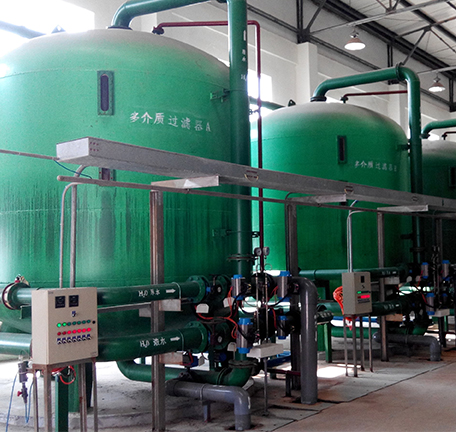
When contacting a rubber-lined valve supplier, first state whether you need a complete new valve, a replacement liner or an assessment of an existing valve for relining. These are different supply scopes. A rubber lining enquiry alone does not establish who is responsible for valve design, mechanical condition, assembly or testing.
Specify what you want delivered
For a new valve, identify the valve type and the required delivery condition, including whether actuation is included. For a replacement component, provide the original equipment identification and the relevant drawing. For an existing valve, describe the requested assessment rather than assuming that relining is feasible.
Manufacturer documentation illustrates why construction matters: CRANE describes a replaceable body lining for its particular Series RS design. This is not evidence that every rubber-lined valve has interchangeable parts or can be repaired by the same process. Ask for confirmation for the exact valve concerned.
Give the valve an unambiguous identity
Send a clear nameplate photograph, equipment tag, manufacturer and model where known. Include the current drawing revision, connection details, face-to-face requirement and quantity. Mark missing information rather than substituting a guessed equivalent.
If the valve must fit an existing line, ask the responsible valve supplier to confirm the interfaces. Do not treat a photograph or a similar nominal size as proof of interchangeability. Keep the original equipment records available for technical review.
Separate service information from material approval
Describe the medium, concentration, normal operating conditions and relevant abnormal conditions known to the owner. Identify solids or cleaning fluids if present. Submit these facts for assessment; do not infer suitability from the word rubber or from a lining colour.
Ask the supplier to identify the proposed lining and wetted components in writing. Any proposed substitution should be reviewed against the actual duty. This article provides no pressure, temperature, chemical-resistance or service-life rating.
For existing valves, agree an assessment boundary
Before shipping, confirm the receiving party's requirements for isolation, cleaning and documentation of remaining contamination. Use the owner's approved procedures and the receiver's instructions. Do not send a used valve on the assumption that a visual rinse makes it safe to handle.
Request a written assessment scope and approval point before repair work begins. Clarify who checks the body, moving components, sealing elements and actuator, and who decides whether reuse is acceptable. A quotation for lining work should not silently become a promise of complete mechanical refurbishment.
Put testing and responsibility into the offer
Ask which drawings, inspection records and tests will be supplied, and who approves the acceptance requirements. Identify responsibility for disassembly, lining, reassembly, functional checks and any agreed valve tests. No universal test pressure or procedure is specified here; the applicable requirement needs confirmation for the valve and project.
Compare offers only after these boundaries match. Request separate prices for the confirmed supply, assessment, transport and optional work, along with lead time, exclusions and the procedure for approving additional costs.
Send a concise enquiry package
A useful package contains the valve identification, requested supply scope, drawings, service conditions, required schedule and unresolved questions. Keep assessment findings separate from confirmed order requirements.
Discuss your rubber lining requirement. Valve supply, relining feasibility and test responsibilities require individual confirmation; this page does not claim that World Rubber manufactures or repairs every valve type. The company archive equipment photograph is illustrative and is not a valve product image.
Reference: CRANE Series RS construction information.
Move from a material name to a complete specification
Organize the conditions first, then compare the specific compound and complete system.
Service conditions
Medium, concentration, temperature and operation
Exact compound
Grade, current data and suitability evidence
Complete system
Substrate, bonding products and installation
Written agreement
Requirements, limits and outstanding questions
FAQ
Can I request a new valve and relining under the same scope?
Describe them as separate alternatives, with distinct deliverables and responsibilities, so their prices can be understood.
Does matching the nominal size prove that a liner fits?
No. Request confirmation against the exact valve identification, drawing and interfaces.
Is a lining quote a complete valve repair offer?
Not automatically. Require written confirmation of mechanical assessment, assembly and testing responsibilities.
Continue your research
Published guides that address the next decisions in your lining project.
Ordering Cut EPDM Sheet Parts: A Drawing Handover Checklist
Request cut EPDM parts with a clear drawing revision, finished dimensions and delivery list. Avoid confusing roll supply, rough blanks and finished components.
Read guide
Choosing an NBR Rubber Sheet Supplier: Grade, Samples and Batch Checks
Shortlist an NBR rubber sheet supplier by checking the quoted compound, actual fluid conditions, representative samples and batch documents before purchase.
Read guidePreparing Rubber Lining Drawings for a Quotation
Show lining boundaries, equipment details, access and drawing revisions clearly so a rubber lining supplier can prepare a more useful quotation.
Read guide