FGD Absorber Rubber Lining: Buy the Work by Zone
Prepare an FGD absorber lining refurbishment brief with zone-specific duty, existing damage, repair or replacement scope, outage interfaces and handover records.
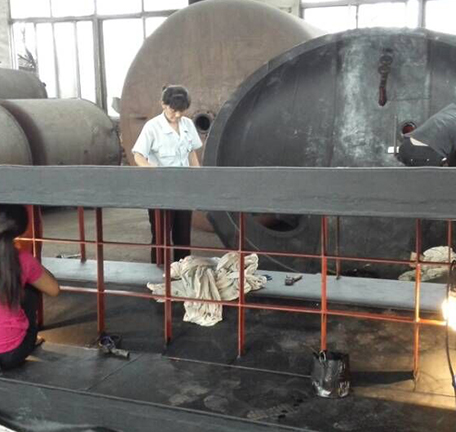
An FGD absorber rubber lining refurbishment inquiry should identify the affected zones and the shutdown work package before requesting a price. “Reline the absorber” leaves too many decisions open. Build the proposal around actual service conditions, verified existing damage and clear responsibility for each work interface.
Separate the absorber's service zones
Provide a marked drawing for walls, floor, inlet areas, supports and connected pipework within the proposed scope. Describe the medium, temperatures, solids, operating changes and substrate for each relevant area. Record unknown conditions for engineering clarification.
REMA TIP TOP's FGD brochure distinguishes corrosion protection systems by service area. That example supports a zone-specific review; it does not make one rubber compound suitable for the entire absorber. Ask the proposed supplier to explain the boundaries of its recommendation.
Define repair versus replacement
Provide inspection findings, photographs and existing material information where available. Identify whether the requested offer covers investigation, local repair, removal and relining, or alternatives requiring a later decision.
Ask bidders to explain what can be priced from current information and what needs inspection after access or stripping. Define how concealed substrate damage will be assessed, authorised and priced. A photograph alone should not be treated as approval for a repair method.
Connect the lining scope to the outage
List the planned access window and dependencies on cleaning, isolation, scaffolding, steel repairs and other contractors. Assign ownership of site facilities, waste handling and equipment protection.
Ask for a proposed work sequence and the conditions required for each handover. Have the lining supplier identify its commissioning requirements. A pre-vulcanised material description does not independently establish that every repaired area can return to operation immediately.
Compare bids beyond the area rate
Request quantities by zone and separate material, removal, preparation, application and inspection items. Clarify allowances, exclusions and the approval process for scope changes.
Ask how transitions, penetrations and repaired areas will be documented. Require current system documents, compound identification and a written suitability response for the stated service. Agree who coordinates interfaces with any existing coating or other protection system rather than assuming those interfaces are included.
Put the brief in a checklist
- Marked zones and available operating information.
- Existing-condition evidence and proposed repair or replacement scope.
- Outage dependencies and owner/contractor responsibilities.
- Material system, inspection plan and commissioning requirements.
- Change authority, handover records and unresolved assumptions.
Avoid the recurring procurement errors
Do not specify the entire FGD plant with one copied material description. Avoid promising a fixed shutdown duration without an agreed work plan. Keep supplier application examples separate from your facility's acceptance criteria and service-life expectations.
Send the zone drawing and inspection brief with your Rubber Lining inquiry.
Source
Move from a material name to a complete specification
Organize the conditions first, then compare the specific compound and complete system.
Service conditions
Medium, concentration, temperature and operation
Exact compound
Grade, current data and suitability evidence
Complete system
Substrate, bonding products and installation
Written agreement
Requirements, limits and outstanding questions
FAQ
Can one rubber compound be specified for the whole absorber?
Do not assume that. Submit zone-specific conditions and ask the supplier to identify where its proposed system is suitable and where another review is needed.
Should I order repair or complete relining?
The scope should follow assessed condition and the intended duty. Ask for the information and inspection steps required to compare those options before approval.
Does pre-vulcanised material guarantee immediate restart?
No general restart promise follows from that term. The completed repair or installation must meet the chosen system's commissioning requirements and project handover conditions.
Continue your research
Published guides that address the next decisions in your lining project.
Ordering Cut EPDM Sheet Parts: A Drawing Handover Checklist
Request cut EPDM parts with a clear drawing revision, finished dimensions and delivery list. Avoid confusing roll supply, rough blanks and finished components.
Read guideChoosing an NBR Rubber Sheet Supplier: Grade, Samples and Batch Checks
Shortlist an NBR rubber sheet supplier by checking the quoted compound, actual fluid conditions, representative samples and batch documents before purchase.
Read guidePreparing Rubber Lining Drawings for a Quotation
Show lining boundaries, equipment details, access and drawing revisions clearly so a rubber lining supplier can prepare a more useful quotation.
Read guide