Why is a price per metre not enough to compare rubber pipe lining costs?
Compare rubber pipe lining quotations by diameter, spool schedule, fittings and supply scope. Separate lining-only work from complete pipe supply and installation.
A rubber pipe lining price per metre is meaningful only when pipe dimensions, component geometry, lining specification and included work are defined. Before comparing totals, separate lining customer-supplied steelwork from buying complete lined pipework or a package including site installation. This guide gives a comparison method, not a current price list.
Establish what is being purchased
Ask the bidder to state whether it is supplying rubber materials, applying a lining to customer-supplied components, or providing fabricated and lined pipe assemblies. Identify responsibility for drawings, steelwork, transport and installation. These are alternative purchasing scopes, not a statement that every supplier offers all of them.
Keep each supplier's offer tied to the same drawing revision and component schedule. A lower total for a narrower package is not an equivalent discount.
Separate straight pipe from fittings
List straight spools, elbows, tees, reducers and other components separately, with identifiers and quantities. Provide the relevant diameters, lengths, connection details and lining boundaries. Specialist pipe-lining literature treats pipes and fittings as part of the work scope; a single linear rate does not explain which components are included.
Ask how bends, branches and short pieces are measured or priced. Do not assume that their cost can be obtained by multiplying a straight-pipe rate by a nominal length. Where an area rate is proposed, agree the measurement method and treatment of fitting surfaces.
State the lining and service requirements
Provide the actual medium, concentration when known, operating and cleaning conditions, and any abrasion or pressure requirements. State a specified material and thickness if these have already been selected, or ask for a technical recommendation.
The supplier should identify its proposed lining system and any qualifications. Do not select a lining solely by pipe diameter or assume a general material label covers every chemical service. Technical suitability and detailed design require confirmation for the project.
Check interfaces and inspection scope
Use drawings to mark where the lining starts and ends, including the agreed treatment at connections. Clarify who checks the supplied steelwork before lining and how dimensional or surface issues will be handled. Ask what inspection records and component identification are included.
Any required test method and acceptance criteria should be agreed for the proposed system. Do not copy an inspection setting or acceptance limit from an unrelated job. A general statement such as inspected should not replace the actual contracted inspection scope.
Compare the complete delivered total
Request separate amounts or clear inclusions for steelwork, lining, agreed preparation, inspection documents, packing, transport and site work where applicable. Confirm taxes, delivery basis, expected schedule and quotation validity. If old lining removal or repairs are involved, identify how that work is assessed and priced.
Compare offers against the same schedule, marking each line included, excluded or awaiting confirmation. A rate per metre can remain a useful summary after the full scope is aligned; it should not substitute for it.
Prepare a quotation package
Send your pipe-lining enquiry with the drawing revision, component list, service conditions, required delivery location and desired supply boundary. Mark unknown information as pending and request explicit assumptions. Final availability, technical scope and pricing require confirmation.
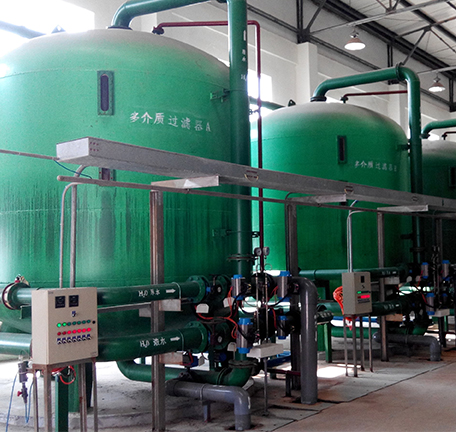
The company archive photograph illustrates an industrial equipment setting; it is not evidence of a priced pipework contract. Reference for pipe and fitting scope: Elastomont — industrial pipe lining. The comparison workflow is original purchasing guidance, not an adoption of that company's capabilities or rates.
Move from a material name to a complete specification
Organize the conditions first, then compare the specific compound and complete system.
Service conditions
Medium, concentration, temperature and operation
Exact compound
Grade, current data and suitability evidence
Complete system
Substrate, bonding products and installation
Written agreement
Requirements, limits and outstanding questions
FAQ
Can I compare quotations using only total pipe length?
Not reliably when diameters, fittings, lining systems or supply scopes differ. Align the component schedule and inclusions before using a linear rate as a summary.
Does a lining quotation include the steel pipe?
Only when explicitly stated. Confirm whether the supplier prices lining customer-provided components or complete fabricated and lined assemblies.
How should uncertain removal or repair work be priced?
Ask the supplier to identify assessment assumptions, exclusions and the agreed pricing method. Do not treat an uninspected condition as a confirmed fixed scope.
Continue your research
Published guides that address the next decisions in your lining project.
Pre-vulcanized Butyl Rubber Lining: Installation First, Payment After Owner Acceptance
Discuss installation first and payment after satisfactory owner acceptance for pre-vulcanized butyl rubber lining, with scope and terms agreed in writing.
Read guide
Chemical Tank Rubber Relining: Defining the Strip-and-Reline Scope
Plan a tank rubber relining purchase with clear removal boundaries, substrate review, replacement-system approval, conditional pricing and handover records.
Read guide
Defining Rubber Lining Material and Installation Scope
Define whether your rubber lining enquiry covers materials, compatible accessories or installation, and agree the responsibilities before placing an order.
Read guide