Rubber Lining Repair and Inspection: Define the Work Before Patching
Prepare a rubber lining repair enquiry with defect records, material identity, cause assessment, repair scope and agreed reinspection before returning to service.
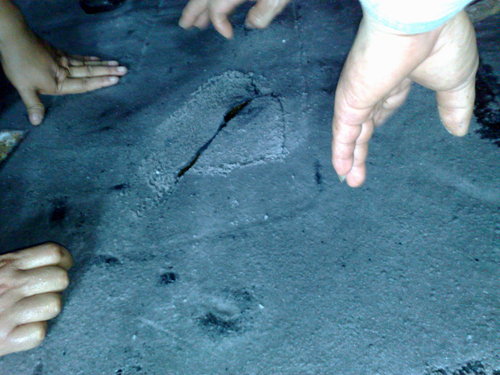
A blister, lifted seam or cut in rubber lining is a reason to investigate, not enough information to select a patch. The repair enquiry should help the supplier understand the existing system, the extent of the defect and the operating conditions before proposing work.
Build a defect record
Provide the original compound and installation documents if available, lining age, service history and previous repairs. Mark defect locations on a drawing and supply both close photographs and wider views. Describe cracking, loose edges, discolouration, damage or leakage without assuming the cause.
Include current and past chemicals, cleaning changes, temperature excursions and shutdown constraints. Identify missing records clearly. A photograph can support the assessment, but it cannot establish the condition of the substrate or the bond behind the lining.
Compare repair and replacement scope
Ask the contractor to assess whether the defect is local or part of a wider problem. Chemical trapped beneath a lining can affect the decision, so merely covering a visible defect may not address the cause.
Request a proposal that states how affected material and substrate will be assessed, which repair system is compatible, and what findings could expand the work. For uncertain areas, agree a hold point for review once they are accessible. Compare the preparation, repair, inspection and shutdown implications of the proposed options.
Agree reinspection and handover
Specify a project-appropriate visual inspection and any additional testing required by the selected system. Spark testing, where applicable, does not replace checks of seams and detail work. Test settings must follow the approved procedure.
Ask for a defect and repair map, material records, inspection results and written commissioning conditions. The handover should identify unresolved issues and limitations as well as completed work. Return to service should follow the agreed approval process, rather than the appearance of the patch alone.
From site records to a traceable handover
Document known conditions, the agreed scope and inspection records to reduce omissions.
Site records
Photographs, locations and operating information
Confirm the scope
Material identity and issues to address
Inspection plan
Agreed methods, responsibilities and records
Handover documents
Results, unresolved items and follow-up notes
FAQ
Does every blister need the same repair?
No. Assess the existing compound, bond, defect extent and possible trapped medium. The supplier should confirm the repair or replacement approach for the actual condition.
Is a passed spark test enough to accept a repair?
It does not replace visual checks and other agreed inspections. Use the chosen system's procedure and record repair locations, results and conditions for return to service.
Continue your research
Published guides that address the next decisions in your lining project.
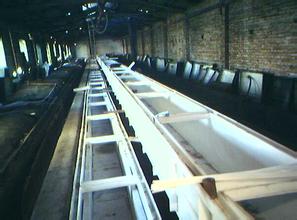
Pre-vulcanized Butyl Rubber Lining: Installation First, Payment After Owner Acceptance
Discuss installation first and payment after satisfactory owner acceptance for pre-vulcanized butyl rubber lining, with scope and terms agreed in writing.
Read guide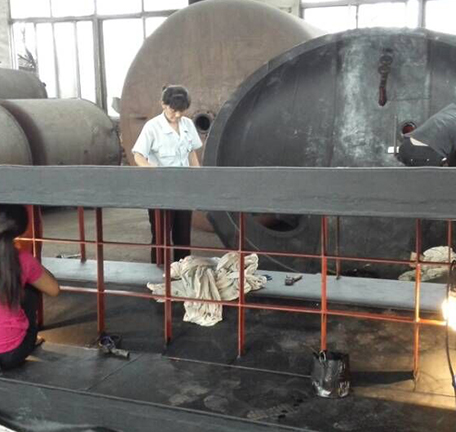
Rubber Lining Delivery and Acceptance Documentation
Agree the records needed for rubber lining material delivery and installed-work acceptance, including traceability, inspection, repairs and handover instructions.
Read guide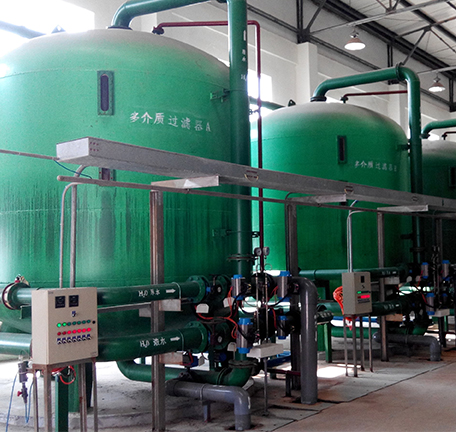
Rubber-Lined Valve Suppliers: New Valve or Relining Enquiry?
Looking for a rubber-lined valve supplier? Define whether you need a complete valve, a replacement liner or assessment of an existing valve before requesting quotes.
Read guide