Which area should a pre-vulcanized butyl sheet quotation use?
Compare pre-vulcanized butyl sheet quotations using net lining area, ordered sheet area and an agreed cutting plan. Keep spare material and site work separate.
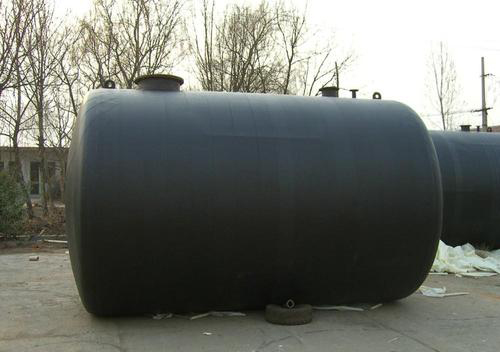
A price per square metre is only comparable when both quotations use the same area basis. For pre-vulcanized butyl lining sheet, distinguish the equipment surface to be lined from the sheet quantity to be purchased. Ask the supplier to show the quantity calculation before comparing totals. This guide gives no market price or universal waste percentage.
Define the net lining area
Provide the current equipment drawing and mark the surfaces included in the enquiry. State whether the tank wall, bottom, roof, nozzles and internal components are included. Identify exclusions explicitly. A tank's external footprint is not a substitute for an agreed lining surface schedule.
Record the drawing revision and who is responsible for confirming dimensions. For an existing vessel, flag dimensions that still need a site check. Keep provisional quantities visible instead of presenting them as final measurements.
Ask how the ordered sheet quantity is calculated
Request the proposed sheet dimensions and a cutting layout or itemised takeoff. Ask how the layout treats changes in shape, agreed seam details and usable remnants. The ordered area should be traceable to a supply list rather than an unexplained uplift on the net area.
Blair Rubber's field-installation guidance calls for planning before cutting. Its product-specific installation details should not be transferred automatically to another lining system. The selected material supplier and installer must confirm the applicable arrangement for your project.
Keep allowances and spare stock visible
Ask the bidder to list material allocated to the installation separately from spare stock requested by the buyer. State whether spare material is included in the offer and how it will be packed and identified. Clarify who retains usable offcuts.
There is no project allowance supplied by this article. Ask for the basis of any allowance and agree it against the drawing, supply dimensions and installation plan. A percentage copied from an unrelated project is not a measurement.
Compare like-for-like commercial offers
Request separate lines for net lining area, ordered sheet area, material unit price and total material value. Keep adhesive systems, packaging, freight, taxes and installation in their own scope lines. Confirm whether the quoted unit price applies to delivered sheet area or completed lining area.
A lower unit price can still produce a higher order total when the quantity basis differs. Conversely, a smaller quantity may exclude parts that another bidder has included. Resolve scope differences before ranking offers by price.
Control changes after quotation
When a drawing changes, request an updated takeoff and identify the superseded version. Agree how increases or reductions in quantities affect the order before cutting starts. Keep the approved supply list with the purchase order and reconcile delivered sheet dimensions and quantities against it.
Material selection remains a separate decision. Supply the medium, concentration and operating conditions for technical review; a clear area calculation does not establish chemical suitability or service life.
What to send for an enquiry
Send the drawing revision, marked lining surfaces, material and thickness requirement, proposed delivery location, required schedule and any requested spare stock. Mark unknown items and ask for an itemised quantity basis.
Send your lining sheet enquiry. Availability, material suitability, quantities and commercial terms require confirmation. The archive equipment photograph illustrates the enquiry context; it does not prove a particular lining grade or project result.
Reference: Blair Rubber field-installation guidance.
Move from a material name to a complete specification
Organize the conditions first, then compare the specific compound and complete system.
Service conditions
Medium, concentration, temperature and operation
Exact compound
Grade, current data and suitability evidence
Complete system
Substrate, bonding products and installation
Written agreement
Requirements, limits and outstanding questions
FAQ
Can I multiply the net area by the sheet unit price?
Only if the quotation explicitly uses that net area and includes the agreed scope. Otherwise request the ordered sheet quantity and its calculation.
Is there a standard waste percentage for every tank?
This guide specifies none. Ask for a project-specific takeoff based on drawings, sheet dimensions and the agreed installation arrangement.
Does the material price include installation?
Do not assume so. Ask for separate material, accessory, transport and installation scope lines and confirm exclusions.
Continue your research
Published guides that address the next decisions in your lining project.
Pre-vulcanized Butyl Rubber Lining: Installation First, Payment After Owner Acceptance
Discuss installation first and payment after satisfactory owner acceptance for pre-vulcanized butyl rubber lining, with scope and terms agreed in writing.
Read guide
Pre-vulcanized Butyl Lining: Plan the Installation System
Plan pre-vulcanized butyl lining installation around substrate readiness, a compatible bonding system, detail work, inspection and supplier release conditions.
Read guideButyl Rubber Safety Data Sheet: What Buyers Should Check
Buying butyl rubber sheet? Match safety and technical documents to the quoted grade and supplied form. Keep sheet, adhesive and primer information separate.
Read guide