Does a butyl rubber safety data sheet confirm lining performance?
Buying butyl rubber sheet? Match safety and technical documents to the quoted grade and supplied form. Keep sheet, adhesive and primer information separate.

A safety data sheet is not a substitute for a technical data sheet or a project-specific suitability assessment. When buying butyl rubber sheet, ask which documents apply to the exact quoted grade and supplied form. Check the sheet separately from any adhesive, primer or other associated product.
Ask for the document that answers your question
Safety information and performance information serve different purposes. A safety data sheet addresses the identified product's safety information; a technical data sheet describes the supplier's stated product characteristics and relevant conditions. Neither should be read as an unrestricted guarantee for your particular process.
Manufacturer documentation makes this distinction explicitly. Use it to organise your questions, not to borrow another supplier's classifications or performance values for a different material. This article is a purchasing-document checklist, not product-specific handling advice.
Match the identity before reading the figures
Compare the quotation, label, grade reference and document product name. Ask whether the material supplied is cured, uncured or another specified form, and whether the document covers that form. A generic polymer name alone is not enough to connect a document to the offered sheet.
If product names differ, request the supplier's explanation of the relationship. Do not assume a document for raw rubber, an adhesive or a similarly named product automatically covers a finished lining sheet.
Keep associated products separate
List the proposed sheet, adhesive, primer and other supplied components individually. For each, ask for the current technical instructions and the safety information applicable to the actual product. Do not use the sheet's documents as instructions for the bonding products.
Record which components the supplier proposes as a system and ask which application instructions belong to that combination. Actual handling and installation decisions should follow the relevant current manufacturer information and qualified review, not a general web article.
Ask about missing or outdated information
Check the document revision, product identity and the language needed by the people reviewing or using it. An older file found through a search engine should be confirmed with the supplier before it is relied upon. A file in a familiar language may still describe a different product or version.
Ask the supplier what safety documentation is applicable to the delivered article and intended activities. This checklist does not determine whether a particular safety data sheet is legally required in your jurisdiction.
Confirm performance on a separate track
For material selection, provide the actual medium, concentration if known, operating and cleaning conditions, and the proposed use. Request a written assessment of the offered grade, any limitations and any testing needed. Do not treat a safety classification as proof of chemical resistance, service temperature, adhesion or service life.
Ask separately for agreed technical specifications and any order-specific inspection documents. Keep the document versions linked to the quotation and approved material so later changes can be reviewed.
Send a traceable document enquiry
Send your butyl sheet enquiry with the offered grade or existing label, supplied form, application and the documents already available. Ask for clarification of mismatched names, missing versions and associated products. Availability, technical suitability and the final document package require confirmation.
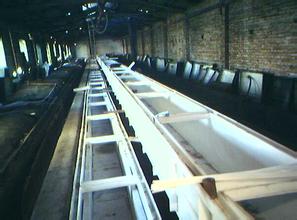
The photograph is from the original company website's industrial archive; it does not certify a material or identify the contents of a safety document. Reference for document categories: REMA TIP TOP download centre. Manufacturer examples are used only to clarify terminology, not as World Rubber product documents.
Move from a material name to a complete specification
Organize the conditions first, then compare the specific compound and complete system.
Service conditions
Medium, concentration, temperature and operation
Exact compound
Grade, current data and suitability evidence
Complete system
Substrate, bonding products and installation
Written agreement
Requirements, limits and outstanding questions
FAQ
Can I use a generic butyl rubber SDS for every lining sheet?
Do not assume so. Ask the supplier to identify the product and supplied form covered and explain any difference from the quoted grade.
Does an SDS prove that a sheet resists my process chemical?
No. Request separate technical information and an assessment for the actual medium and operating conditions. A safety document is not a performance guarantee.
What if the supplier provides no SDS for the supplied article?
Ask what safety information applies to that article and the intended activities. Have the relevant responsible personnel confirm the documentation needed; this guide does not decide regulatory applicability.
Continue your research
Published guides that address the next decisions in your lining project.
Pre-vulcanized Butyl Rubber Lining: Installation First, Payment After Owner Acceptance
Discuss installation first and payment after satisfactory owner acceptance for pre-vulcanized butyl rubber lining, with scope and terms agreed in writing.
Read guidePre-vulcanized Butyl Lining: Plan the Installation System
Plan pre-vulcanized butyl lining installation around substrate readiness, a compatible bonding system, detail work, inspection and supplier release conditions.
Read guide
Pre-vulcanized Butyl Sheet Price: Net Lining Area or Ordered Sheet Area?
Compare pre-vulcanized butyl sheet quotations using net lining area, ordered sheet area and an agreed cutting plan. Keep spare material and site work separate.
Read guide