Rubber Lining Cost: Build a Comparable Project Estimate
Build a rubber lining cost estimate from quantities, scope, site responsibilities and uncertainty. Compare complete project offers without invented unit prices.
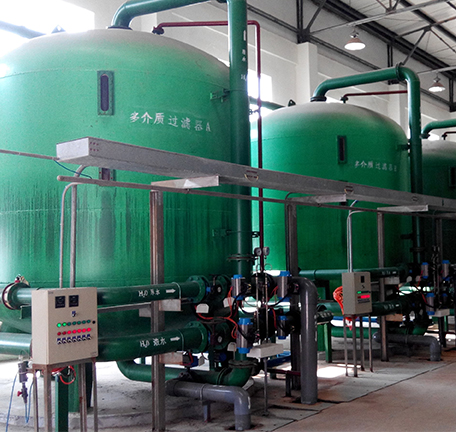
A useful rubber lining cost estimate identifies what is being priced, what the buyer must provide and which assumptions remain open. A sheet price or an unexplained total cannot answer the cost of a completed project. Start with an estimate basis that can be updated as the design and work scope become clearer.
Choose the estimate basis
State whether the enquiry concerns material supply, workshop lining or work at your site. US Rubber lists both shop and field services; these are different purchasing arrangements. Ask each bidder to identify the location assumed in its offer.
Name the drawing revision and mark the surfaces included. Request the bidder's quantity calculation, including its allowance for cutting and detail work. Treat an approximate area as an estimate rather than a settled invoice quantity.
Separate the cost categories
Ask for a schedule of costs instead of inventing a market rate. The categories should make differences between offers visible.
- Identify the proposed material package and what accessories it includes.
- Separate installation work from equipment or services supplied by the buyer.
- Show transport, taxes and other commercial charges explicitly.
- List optional work and exclusions beside the quoted amount.
Use the same category names in your comparison sheet. If a bidder combines several items, ask for an explanation before interpreting its total as cheaper.
Record uncertainty beside the budget
An early estimate needs an assumptions register. For existing equipment, distinguish information confirmed by inspection from conditions hidden until removal. Ask how additional work would be measured, priced and approved if those assumptions change.
Keep any buyer-selected contingency separate from the supplier's price. A contingency is a budgeting decision; it does not mean the contractor has accepted unknown work. Record who owns each unresolved question and when a revised estimate is needed.
Compare the final commercial position
An attractive total may reflect a narrower supply boundary, a different compound or a different delivery basis. Reconcile those differences before comparing prices. Ask whether the price is fixed, provisional or subject to remeasurement, and read its validity period and payment milestones.
Consider the buyer's own obligations as part of the project budget. Blair's field guide distinguishes purchaser requirements from applicator proposals. Check for commitments that still require a separate purchase or internal resources.
Avoid shortcuts and request a usable offer
Do not multiply a generic online unit price by an approximate area and call it a final project cost. Do not carry an old quotation forward without confirming its technical and commercial basis.
Send one common enquiry brief, request a documented estimate basis and resolve the largest uncertainty first. Review rubber lining materials when defining the package.
References: US Rubber services and Blair field installation.
Move from a material name to a complete specification
Organize the conditions first, then compare the specific compound and complete system.
Service conditions
Medium, concentration, temperature and operation
Exact compound
Grade, current data and suitability evidence
Complete system
Substrate, bonding products and installation
Written agreement
Requirements, limits and outstanding questions
FAQ
Can a rubber sheet price determine the installed project cost?
No. The project estimate also needs the agreed work scope, buyer responsibilities and commercial charges. Ask the supplier to identify what its price covers.
How should an approximate lining area be used?
Mark it as an estimate and request the bidder's quantity basis. Agree how any later measurement change will affect the offer before ordering.
Does a budget contingency cover the contractor's extra work?
Not automatically. Keep the buyer's contingency separate and agree a procedure for measuring, pricing and approving scope changes.