Pipe Rubber Lining Companies: Dispatch and Receiving Checklist
Agree pipe spool identification, packing records, protection instructions and receiving responsibilities before dispatch. Keep delivery checks separate from technical acceptance.
When comparing pipe rubber lining companies, ask how each finished spool will be identified, documented and handed over at delivery. Agree the packing list, supplier-approved protection instructions and receiving process before dispatch. A correct item count does not establish lining quality, and a delivery signature should not be used as a substitute for the project's agreed technical acceptance.
Connect each delivered spool to its drawing
Use a spool identifier that can be traced to the approved drawing revision and purchase-order item. Ask the supplier to show how the identifier will appear on the packing list and on the delivered package or component. Agree the marking method with the supplier rather than improvising it on the lining.
For mixed deliveries, request a clear breakdown by spool and package. Identify loose accessories separately and explain which items are supplied by others. Avoid a packing description that only states a total number of pipes when different drawings or installation positions are involved.
Confirm the dispatch evidence package
Before shipment, agree which documents will accompany the goods and which will be sent electronically. Examples to discuss include the final packing list, approved drawing register, agreed inspection records and any open-item list. Specify the records actually required by the order; do not label ordinary photographs as certification.
Ask for dispatch photographs to show item identification and the packed condition. Photographs can support the handover record but do not replace tests or inspection requirements agreed elsewhere. Record any accepted document deferral with a responsible person and due date.
Obtain protection and handling instructions
Ask the lining supplier for written instructions covering the supplied components, including agreed end protection, handling, unloading and storage. Clarify who supplies protection and who checks it before dispatch. Do not invent universal support spacing, stacking limits or storage periods for different lining systems.
Share the actual site receiving conditions with the supplier, including any expected delay before installation. If the buyer cannot meet the proposed instructions, resolve that difference before shipment. Keep agreed requirements available to the carrier and receiving team where relevant.
Separate receipt from technical release
Assign someone to reconcile package identifiers and quantities against the packing list. Define how the receiving team will record the visible condition, document shortages and report discrepancies. Distinguish a package that has arrived from a spool that has been technically accepted for installation.
The order should state who may release the goods for use and what records are needed. A visual receiving check is not, by itself, proof of the lining's suitability, continuity or service life. Any required technical examination must follow the agreed project procedure.
Agree what happens when something differs
Before dispatch, name the contacts for transport issues, missing items and technical concerns. Agree how evidence should be recorded and how affected items will be identified pending a decision. Ask who is authorised to approve repair, replacement or another disposition.
Do not assume that the receiving team may modify a component to make it fit. Submit discrepancies to the responsible parties and retain the written decision with the spool records. Keep commercial responsibility and technical disposition distinct until both are confirmed.
Put the handover into the enquiry
Request an offer that identifies packing, transport, documentation and receiving support separately from the lining work. State the delivery destination, planned arrival window and any project-specific document requirements. Confirm exclusions and optional charges before comparing totals.
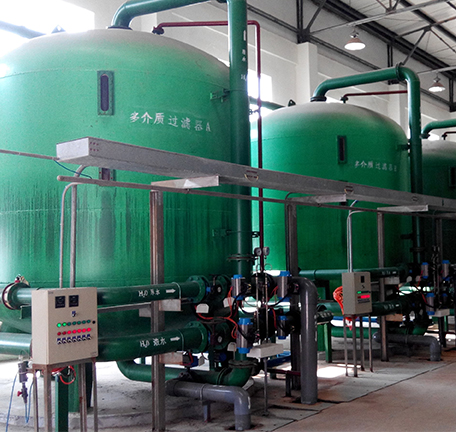
Discuss your pipe rubber lining enquiry. Packing methods, handling instructions, technical acceptance and supply capability require project-specific confirmation. The archive equipment photograph illustrates an industrial piping setting; it is not evidence of a particular delivered spool or an inspected shipment.
Move from a material name to a complete specification
Organize the conditions first, then compare the specific compound and complete system.
Service conditions
Medium, concentration, temperature and operation
Exact compound
Grade, current data and suitability evidence
Complete system
Substrate, bonding products and installation
Written agreement
Requirements, limits and outstanding questions
FAQ
Does a signed delivery receipt mean the lining is accepted?
Keep delivery receipt and technical acceptance as separate steps, according to the agreed order and project procedure.
Are dispatch photographs enough for quality acceptance?
They support identification and condition records but do not replace required inspection or test documents.
Can one handling rule be used for all lined pipes?
Ask the selected supplier to confirm instructions for the actual components and lining system rather than assuming a universal rule.